
Long-Distance Moving Tips: What the Pros Want You to Know

Atlas Blog & News

Tips For Long-Distance Moving

A Better Long-Distance Move Starts Before Moving Day

A long-distance move isn’t simply a local move with more kilometres in between.


Your belongings may be in transit for days. You may arrive before your shipment. Closing and possession dates may not line up perfectly. Storage, weather, building access and delivery timing can all become part of the plan.


The good news? Many of the things that make moving stressful can be anticipated.


Atlas Van Lines Canada has been moving Canadians for more than 60 years. Here are some of the practical things our moving professionals have learned that can help make your long-distance move easier.


1. Start Planning Before Everything Is Finalized

You don’t need every detail confirmed before speaking with a mover.


In fact, starting early is particularly important if you’re moving during the summer, at the end of the month, around a holiday or during another busy moving period.


Your possession date, destination address or final inventory may still change. An experienced moving consultant can begin planning around what you know now and refine the details as your move gets closer.

★

ATLAS PRO TIP
Don’t wait for every piece of the puzzle to fall into place before you start planning.
More lead time generally gives you greater flexibility around moving dates, services and delivery planning.

2. Don’t Build Your Entire Move Around Closing Day

 

A man with a clipboard stands before several boxes, appearing to assess or organize the items around her.


Real estate transactions don’t always happen exactly when expected.


Closings can be delayed. Keys may not be available when anticipated. Previous owners may need additional time. New construction can run behind schedule.


If everything about your move depends on one perfectly timed closing day, even a small delay can become a much bigger problem.

★

ATLAS PRO TIP
Build some breathing room into your moving plan whenever possible.
If there could be a gap between homes, talk to your mover about storage options ahead of time. It’s much easier to incorporate storage into the plan than to find an emergency solution once your belongings are already in transit.

3. Show Your Mover Everything That’s Going

A good moving estimate starts with an accurate understanding of what needs to be moved.


When completing your moving survey, remember the places that are easy to overlook:


The basement. Garage. Attic. Shed. Closets. Patio. Storage locker.


And don’t forget belongings stored somewhere else or items you may have loaned to friends or family.


This is also an excellent time to decide what isn’t coming.


There’s little benefit in paying to move furniture, clothing or household items you already know you won’t need in your new home.

★

ATLAS PRO TIP
Moving is one of the best times to edit what you own.
Before you pack, decide what will move, what can be donated or sold, and what can be responsibly recycled or discarded.


A woman surveying her home in a well-lit kitchen.


4. Give Special Belongings a Plan of Their Own

Some belongings require more than a box and packing paper.


Large televisions, artwork, antiques, marble, grandfather clocks, major appliances and other unusual or high-value belongings may require special preparation, packing or handling.


Tell your moving consultant about these items early so they can be properly incorporated into your moving plan.

★

ATLAS PRO TIP
Photograph high-value belongings before your move and keep appraisals or supporting documentation with your important moving records.
Where additional protection is required, ask your Atlas moving consultant about specialized packing or custom crating options.

5. Know What Can’t Go on the Moving Truck

 

An office desk cluttered with boxes and a chair.


There are items professional movers cannot transport for safety reasons, including certain hazardous, flammable and dangerous materials.


Some are obvious. Others are everyday products you may have sitting in your garage, basement or shed.


Depending on the product, these can include gasoline, propane, paint and solvents, lighter fluid, pool chemicals, pesticides and certain aerosols or cleaning products.


Don’t discover this while the moving crew is standing in your driveway.

★

ATLAS PRO TIP
Ask your Atlas agent for the current list of non-admissible items before you start packing.
That gives you time to safely use, transport or dispose of anything that cannot travel with your household shipment.

6. Pack for the Journey — Not Just Moving Day

One of the biggest differences between a local and long-distance move is that you and your belongings may not arrive at the same time.


Think about what everyone in your household could reasonably need while travelling and during the first few days in your new home.


Keep important items with you, including:

  • identification and important documents
  • medications
  • jewellery and valuables
  • phones, laptops and chargers
  • clothing and toiletries
  • children’s essentials
  • pet supplies
  • important moving documents
  • anything you would be seriously inconvenienced by not having

★

ATLAS PRO TIP
Think beyond a “first-night box.”
Pack for the time you could be separated from your household shipment and keep those belongings with you rather than on the moving truck.

7. Make Your Boxes Work for You

You don’t need an elaborate packing system.


You do need to know what’s in each box and where it belongs.

Pack by room and label boxes clearly.
Instead of:
KITCHEN
Try:
KITCHEN — DAILY DISHES
For belongings you’ll want immediately, make that obvious:
OPEN FIRST — PRIMARY BEDROOM
OPEN FIRST — KITCHEN
PARTS & HARDWARE — DO NOT LOSE

Small decisions while packing can save a surprising amount of time at the other end.

★

ATLAS PRO TIP
Use the same room names on your boxes that you’ll use at your new home. It makes it much easier for your moving crew to get boxes to the right place on delivery day.

8. Think About Your New Home Before You Leave the Old One

Where is the sectional going?


Will the dining table fit?


Can that oversized dresser actually make it up the new staircase?


If you have access to measurements or a floor plan, think about where major pieces of furniture will go before moving day.


This is especially important if you’re downsizing or moving into a home with a substantially different layout.

★

ATLAS PRO TIP
Measure twice. Move once.
Check large furniture against room dimensions, doorways, elevators and staircases before paying to transport something that won’t work in the new space.

A couple sits on a couch surrounded by cardboard boxes, suggesting they are in the process of moving or unpacking.


9. Understand Your Protection Options Before Moving Day

Don’t wait until the truck arrives to think about how your belongings are protected.


Ask your moving consultant to explain the protection options available for your shipment, what they cover and whether particularly valuable belongings need to be identified separately.


The important thing is to understand the protection you have before your belongings leave your home.

★

ATLAS PRO TIP
If there’s anything you don’t understand about valuation or protection, ask. Your moving consultant should be able to clearly explain your options before you make a decision.

10. Look Beyond the Price When Choosing a Long-Distance Mover

A long-distance move involves much more than getting your belongings onto a truck.


You’re relying on someone to coordinate your household shipment across hundreds or thousands of kilometres and deliver it to your new home.

 

Two men seated at a kitchen table, engaged in discussion while looking at a tablet device.


Before choosing a mover, ask:

  • Who will be my point of contact?
  • Who handles my belongings at origin and destination?
  • How will delivery timing be communicated?
  • What happens if my possession date changes?
  • Can storage be incorporated if I need it?
  • Who do I contact once my shipment is underway?

A professional mover should make those questions easy to answer.


11. Prepare Your Home for Moving Day — Not Just Your Boxes

The easiest moving days are the ones where the moving crew can get to work.


Before they arrive:

  • clear hallways and walkways
  • reserve elevators and loading areas where required
  • arrange appropriate parking access
  • keep children and pets safely away from active moving areas
  • identify anything that is not being moved
  • point out fragile, unusual or high-value belongings
  • keep everything travelling with you in a clearly separated area

And before the moving van leaves, do one final walkthrough of your home.


Check closets. Cabinets. The garage. Basement. Storage areas. Outside spaces.

★

ATLAS PRO TIP
Choose one clearly identified area for everything that stays with you.
Passports, medications, keys, luggage, laptops and your travel bag shouldn’t accidentally become part of your household shipment.

12. Plan for Arrival, Not Just Departure

It’s easy to spend weeks thinking about how you’ll leave your current home and surprisingly little time thinking about the first 24 hours in the new one.


Before delivery day, confirm access to the property and make sure essential utilities are working.


Know where your major furniture belongs.


Keep your moving records available while your shipment is being unloaded.


Then tackle the essentials first:

  • Beds.
  • Bathroom.
  • Kitchen basics.
  • Children’s necessities.
  • Pet supplies.

Two men assembling a bed frame, focused on connecting the wooden pieces together in a well-lit room.


Everything else can wait.

★

ATLAS PRO TIP
You don’t need to unpack your home in a day.
Get the things that make the house functional and comfortable in place first. Then take on the rest room by room.

The Most Important Long-Distance Moving Tip?


Have a Plan That Can Handle a Change of Plans.

  • Weather happens.
  • Traffic happens.
  • Closings change.
  • Construction gets delayed.
  • Life doesn’t always follow the moving-day schedule.

A well-planned long-distance move anticipates the things that can be anticipated and builds enough flexibility to deal with the things that can’t.


That’s one of the biggest advantages of working with an experienced long-distance mover.


You don’t have to know everything that could happen. Your mover should.


Want the Complete Moving Plan?

There’s a lot to remember when you’re moving. You don’t have to keep it all in your head.


The Atlas Personalized Moving Guide gives you a practical, week-by-week plan to help you prepare for your move and stay organized from the weeks before moving day through arrival at your new home.


Inside the Guide

  • What to do four weeks before your move
  • Three-week, two-week and one-week planning checklists
  • Packing-day preparation
  • Moving-out day checklist
  • Moving-in day checklist
  • Important records and documents to organize
  • Utility and address-change reminders
  • Practical packing and household preparation guidance

Your Move. Your Plan. Our Experience.

Every long-distance move is different.


A family moving across the country has different needs than someone relocating to the next province. Downsizing brings different considerations than moving a busy family with children and pets. And a move involving temporary accommodation or storage requires a different plan again.


That’s why your Atlas move begins with understanding where you’re going, what you’re moving and what matters to you along the way.


For more than 60 years, Atlas Van Lines Canada and our nationwide Trusted Agent Network have helped Canadians plan and complete long-distance moves across provinces, across the country and across the border.


Ready to Start Planning?

Request a free moving estimate and connect with an Atlas moving professional who can help you build a plan for your move. You’ll also receive the Atlas Personal Moving Guide to help you prepare.


There’s A Better Way. Choose Atlas.

 

FAQs About Long-Distance Moving

How far in advance should I book a long-distance move?
The earlier you can begin planning, the better, particularly if you’re moving during summer, around a holiday or at the beginning or end of the month. You don’t need every detail finalized before contacting a mover. An Atlas moving consultant can begin with the information you have and adjust the plan as details are confirmed.

What should I keep with me during a long-distance move?
Keep identification, important documents, medications, jewellery and other valuables, electronics and chargers, essential clothing and toiletries, moving records, children’s necessities and pet supplies with you. You should also plan for the possibility that you and your household shipment may arrive at different times.

What items can’t professional movers transport?
Professional movers cannot transport certain hazardous, flammable or dangerous materials. These may include gasoline, propane, certain paints and solvents, lighter fluid, pool chemicals, pesticides and some aerosols or cleaning products. Ask your Atlas agent for the current list of non-admissible items before packing.

What should I look for in a long-distance moving company?
Look beyond price. Ask about experience, who will coordinate your move, how your belongings will be handled at origin and destination, delivery communication, storage options, protection options and who you can contact while your shipment is in transit. A reputable long-distance mover should be able to clearly explain the entire process.

What happens if my new home isn’t ready when my belongings arrive?
Timing gaps are common in long-distance moves. Depending on your move and location, your Atlas agent can discuss storage options and coordinate delivery when your new home is ready. If you think you may need storage, raise it during the planning stage so it can be incorporated into your move.

Do I need to pack everything myself?
No. Depending on your needs, professional packing services can be incorporated into your move. Specialized belongings may also require additional preparation or custom crating. Talk to your Atlas moving consultant about what you would prefer to pack yourself and where professional help would make your move easier.

The Corporate Relocation Playbook

Atlas Blog & News

A family walks through an airport terminal, each carrying luggage and looking at the departure signs.

Managing Employee Relocations Across Canada, the United States and International Destinations

What was once viewed primarily as arranging transportation for household goods has evolved into a coordinated business process involving logistics, employee experience, risk management, compliance, communication and family support. Today’s relocation programs must balance organizational priorities with the personal realities employees face when moving their lives, careers and families.


Executive Summary

Relocating an employee has never been more complex.


Whether relocating an employee across a province, to another region of North America or overseas, the fundamentals remain the same: thoughtful planning, expert coordination and consistent execution. A missed deadline, communication breakdown or incomplete plan can delay productivity, increase costs and negatively impact both the employee experience and business operations.


Successful relocations don’t happen because a truck arrives on time.


They happen because every step before, during and after moving day has been carefully planned.


Drawing on more than six decades of relocation experience, Atlas Van Lines Canada has developed this playbook to help organizations better understand today’s relocation landscape, reduce risk and create a smoother transition for every employee they move.


Relocation Has Changed


A woman sits on a couch, using a laptop while holding a pen, focused on her work.


For many years, relocation success was measured by a simple question.


Did the shipment arrive safely?

Today, that’s only one part of the equation.


Organizations are competing for talent in an increasingly mobile workforce. Employees expect transparency, proactive communication and a relocation experience that minimizes disruption for themselves and their families. HR and mobility professionals are expected to deliver all of this while managing budgets, timelines, compliance requirements and multiple stakeholders.


Today, a successful relocation means:


  • Employees become productive sooner.
  • Families transition with confidence.
  • Business disruption is minimized.
  • Costs remain predictable.
  • Risks are proactively managed.
  • Every stakeholder understands what happens next.

Relocation is no longer simply transportation.


It is a coordinated mobility and logistics strategy that directly supports talent acquisition, retention and business continuity.


Modern Mobility Requires More Than One Moving Solution

As employee relocations become more complex, organizations are looking beyond traditional transportation models to improve flexibility, employee experience and overall program performance.


Containerized transportation isn’t intended to replace traditional household goods moving. Instead, it provides another strategic option when timing, scheduling, temporary storage or shipment handling become critical considerations.


The strongest mobility programs don’t rely on a single transportation method. They choose the approach that best supports the employee, the assignment and the organization’s objectives.


Whether that’s a traditional van line move, containerized transportation or a hybrid solution, flexibility creates better outcomes.


Local Expertise. National Strength.

One of the greatest misconceptions about relocation is that it begins when the moving truck arrives.


In reality, that moment represents weeks—or even months—of planning and coordination.


Every successful relocation depends on experienced professionals working together across multiple disciplines to deliver one seamless experience for the employee.

Atlas Van Lines Canada moving professionals

At Atlas Van Lines Canada, that coordination is supported by our Trusted Agent Network—carefully selected moving professionals located across Canada who combine local knowledge with national resources and consistent service standards.
Employees benefit from personalized service delivered by people who understand their local communities, while organizations benefit from the strength and reliability of one connected network.
Local expertise.
National strength.

The Modern Relocation Ecosystem

Many organizations underestimate how many moving parts exist behind a successful relocation.


A typical employee relocation may involve:


  • HR and Global Mobility teams
  • Corporate relocation policy administrators
  • Household goods specialists
  • Professional moving crews
  • Warehousing and storage providers
  • Vehicle transportation partners
  • Pet relocation specialists
  • Destination service providers
  • Local service partners

While the employee may only see one moving truck, dozens of professionals are coordinating schedules, transportation, communication and logistics to ensure every aspect of the move comes together successfully.


The strongest relocation partners don’t simply transport belongings.


They coordinate the entire relocation journey.


Understanding Three Types of Employee Relocation


A collection of Atlas cardboard boxes and miscellaneous items arranged together on a flat surface.


Although every relocation is unique, most corporate moves fall into one of three categories.

Domestic Relocation
Domestic relocations require careful coordination around scheduling, access, transportation, storage, seasonal considerations and employee communication.
Typical planning considerations include:
  • Possession dates
  • Temporary storage
  • Long-distance transportation
  • Building access
  • Family scheduling
  • School transitions

North American Relocation
Relocations between Canada and the United States introduce additional planning requirements to help ensure documentation, border requirements and transportation are properly coordinated.
While the underlying objective remains the same—a seamless employee experience—the planning process requires additional attention to documentation, scheduling and logistics.
Because of its complexity, North American employee mobility is explored in greater detail in Atlas Mobility Insights – Volume 2: The Anatomy of a Successful Cross-Border Relocation.

International Relocation
International assignments involve the greatest degree of coordination and long-range planning.
Organizations may need to consider:
  • International transportation
  • Destination regulations
  • Temporary accommodation
  • Extended transit times
  • Cultural considerations
  • International logistics partners
While every destination is unique, successful international relocations share one characteristic: they begin with thoughtful planning.

Why Relocations Experience Delays

When people think about moving challenges, they often picture damaged furniture or severe weather.


In reality, most delays occur long before moving day.


Common causes include:


  • Incomplete household inventories
  • Last-minute scheduling changes
  • Delayed property closings
  • Temporary housing availability
  • Capacity constraints during peak season
  • Misaligned expectations
  • Poor communication
  • Inadequate planning timelines

These challenges are rarely unavoidable.


Most are preventable through early planning and coordinated project management.


Successful relocations begin with planning—not packing.


The Atlas Relocation Readiness Framework

Every successful relocation follows a process.


After supporting thousands of employee relocations, Atlas has developed a structured framework that helps organizations prepare employees, reduce uncertainty and improve relocation outcomes.


Rather than viewing relocation as a series of isolated tasks, the Atlas Relocation Readiness Framework provides a repeatable methodology that organizations can apply to every employee move—whether across the province, across North America or internationally.

Phase One
Strategic Planning
Establish the foundation.
  • Confirm relocation objectives.
  • Establish timelines.
  • Review relocation policies.
  • Define budgets and approvals.
  • Identify potential risks.
  • Understand family requirements.

Phase Two
Employee Readiness
Prepare employees with confidence.
  • Professional household survey
  • Inventory review
  • Vehicle planning
  • Temporary accommodation planning
  • Employee communication
  • Specialized relocation requirements
For employees relocating with pets, Atlas Canada’s Paws en route program recognizes that pets are family members. Planning ahead helps reduce stress for both employees and their companions while supporting a smoother relocation experience.

Phase Three
Operational Planning
Transform strategy into an executable relocation plan.
Activities include:
  • Transportation planning
  • Storage coordination
  • Delivery scheduling
  • Shipment visibility
  • Communication planning
  • Contingency planning

Phase Four
Execution
Coordinate every stage of the relocation.
Atlas Canada’s Trusted Agent Network plays a central role during execution, combining local expertise with national coordination to deliver consistent service standards from origin through destination.

Phase Five
Arrival & Transition
A successful move doesn’t end with delivery.
Organizations that invest in the arrival experience help employees become productive sooner while improving overall relocation satisfaction.
Best practices include:
  • Delivery confirmation
  • Employee follow-up
  • Issue resolution
  • Continuous improvement
  • Experience measurement
Because successful relocations aren’t measured by delivery dates alone.
They’re measured by successful transitions.

Relocation Is About More Than Moving


A man and woman sit together on a couch, with a dog resting comfortably between them.


Every relocation represents an important milestone.


A family beginning a new chapter.

A professional accepting a new opportunity.

An organization investing in talent.


At Atlas Van Lines Canada, we believe every relocation has the opportunity to create a positive impact beyond the move itself.


That philosophy is reflected in Every Move Matters, an initiative supporting Tree Canada and Food Banks Canada while reinforcing our commitment to strengthening the communities we serve.


Because while logistics move belongings…


Thoughtful planning moves people forward.


Atlas Resource Spotlight

Relocation planning doesn’t end with this guide.


Atlas offers a growing collection of practical resources designed to help HR professionals and employees navigate every stage of the relocation journey.


Explore:


Together, these resources provide organizations and employees with practical guidance before, during and after every move.


Summary

Corporate relocation has evolved.


Today, it is a strategic business function that supports talent acquisition, employee experience and organizational growth.


The organizations that consistently deliver successful relocations understand that moving people is about far more than transporting household goods. It requires experienced professionals, coordinated planning, trusted partnerships and a repeatable process that reduces uncertainty while supporting employees through one of life’s biggest transitions.


That is the philosophy behind the Atlas Relocation Readiness Framework.


It is also the foundation of how Atlas Van Lines Canada approaches every relocation—with Local Expertise. National Strength. And a Trusted Agent Network committed to delivering exceptional experiences wherever the journey begins.


Whether moving across the province, across North America or around the world, successful relocations don’t happen by accident.


They happen by design.

The Anatomy of a Successful Cross-Border Relocation

Atlas Blog & News

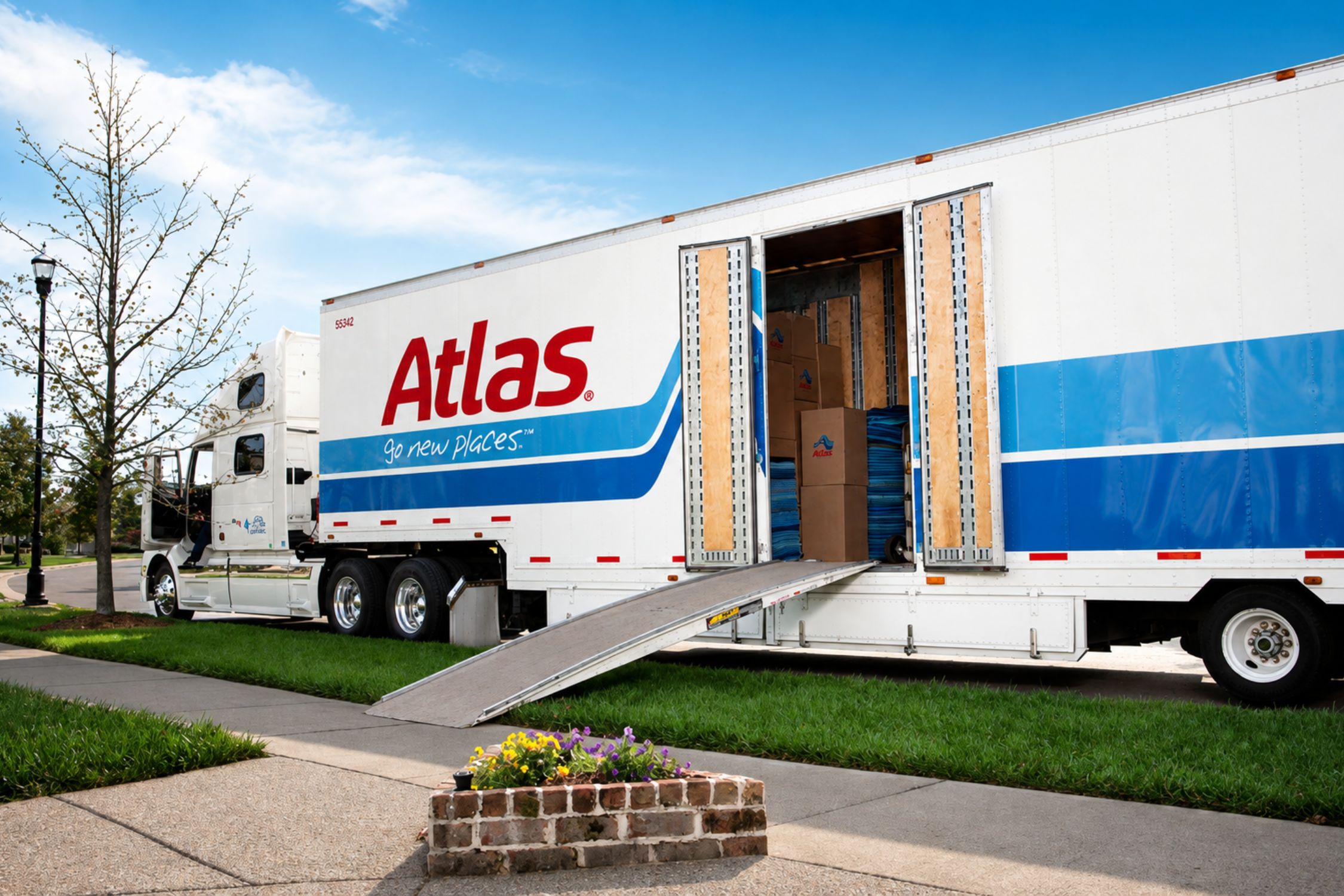
Atlas truck parked on a road, showcasing its vibrant color scheme.

What Every HR and Global Mobility Professional Should Know Before Moving an Employee Between Canada and the United States

Helping HR and global mobility professionals understand what makes cross-border moves successful and why integrated planning matters more than ever. As employee mobility becomes increasingly complex, organizations need a coordinated approach that brings together people, processes, and logistics to create a smoother experience for both employees and their families. This article explores the key considerations for planning successful cross-border moves and the value of taking a more integrated approach.


Executive Summary

Relocating an employee across the Canada–U.S. border isn’t simply a move—it’s a carefully coordinated logistics operation involving transportation, customs compliance, regulatory requirements, employee experience, and business continuity.


While employees often see a moving truck arriving at their home, successful cross-border relocations depend on dozens of professionals working together behind the scenes. Household goods must be accurately inventoried, documentation prepared, customs requirements satisfied, transportation coordinated across two countries, and communication maintained among employees, employers and service providers to support both the employee’s personal transition and the organization’s business objectives.


The best relocations feel effortless because every detail has been planned.


Drawing on decades of experience supporting corporate, government and private relocations throughout North America, Atlas Van Lines Canada has developed this guide to help HR professionals, mobility teams, and relocation decision-makers better understand what makes cross-border moves successful—and why integrated planning matters more than ever.


Cross-Border Mobility Is Changing

  1. Organizations are recruiting talent wherever the right people can be found.
  2. Assignments are increasingly international.
  3. Hybrid work has expanded hiring markets.
  4. Employees expect greater flexibility.
  5. At the same time, border regulations, documentation requirements and employee expectations continue to evolve.
  6. Today’s mobility programs are expected to deliver more than transportation.
  7. They are expected to provide certainty.
  8. That requires more than a moving company.
  9. It requires a coordinated relocation network.

Meet Sarah


Let’s follow one relocation:


Sarah has accepted a leadership position with her organization. She currently lives in Toronto. In eight weeks, she will begin work in Dallas.

 

She’ll relocate with:

  • Her spouse
  • Two children
  • A Labrador Retriever
  • Two vehicles
  • Approximately 10,000 pounds of household goods

Her employer has one goal. Have Sarah ready to begin work. Everything else must happen around that objective.


The Employee Sees One Move

Behind the scenes, Atlas sees dozens of interconnected activities.

 

While Sarah is preparing for a new opportunity, experienced relocation professionals are simultaneously coordinating every aspect of the move—from planning and documentation to transportation, real estate, communication and final delivery.


This may include:

  • Household goods surveys
  • Packing requirements
  • Origin real estate coordination
  • Destination real estate coordination
  • Customs documentation
  • Transportation scheduling
  • Border compliance
  • Vehicle logistics
  • Pet relocation
  • Storage requirements
  • Delivery scheduling
  • Communication between all stakeholders

Every decision affects another. Clear, proactive communication between employees, employers and service providers helps manage expectations, minimize disruption and keep the relocation on track.


Relocation is no longer transportation.


It is supply chain management for people.


The Power of an Integrated North American Network


This is where successful corporate cross-border relocations differ from domestic moves.


A relocation doesn’t stop at the border.


It changes networks.


Atlas Van Lines Canada is part of Atlas World Group, one of North America’s largest relocation and logistics organizations. Through this relationship, Canadian customers benefit from an integrated network of relocation professionals, knowledgeable and experienced service providers, transportation specialists and destination partners across Canada, the United States and around the world.


For organizations managing employee mobility, this means fewer handoffs, better communication, experienced service providers and greater continuity throughout the relocation process.


Instead of coordinating multiple independent providers, HR teams benefit from a connected North American network working toward a common objective: delivering a seamless employee experience from origin to destination.


Behind Every Cross-Border Relocation

A successful Canada–U.S. relocation may involve:

Employee
↓
Employer
↓
HR / Global Mobility
↓
Atlas Van Lines Canada
↓
Origin Atlas Agent
↓
Driver / Transportation Team
↓
Atlas World Group
↓
U.S. Customs and Border Protection
↓
Destination Atlas Agent
↓
Final Delivery
↓
Employee Follow-up


Multiple teams. Two countries. One relocation experience. The employee should never have to think about how these parties work together. That’s exactly the point.


Planning Starts Long Before Packing


One of the most valuable planning tools is the household survey.


Today’s AI-powered virtual surveys allow relocation specialists to create accurate household inventories remotely, improving planning while making the experience more convenient for employees. Atlas uses this technology to improve estimate accuracy, transportation planning and logistics coordination.


Accurate inventories support:

  • Transportation planning
  • Customs documentation
  • Carrier liability review
  • Capacity planning
  • Specialized packing
  • Scheduling

An incomplete inventory creates risk long before moving day.


Customs Is About Preparation, Not Paperwork

Most border delays do not occur because the customs process is inherently difficult. They occur when documentation is incomplete, information is inconsistent or requirements have not been confirmed before the shipment reaches the border.


For household goods that qualify for free entry into the United States, the employee is typically required to complete the applicable customs declaration and supporting documentation, including U.S. Customs and Border Protection Form 3299 where appropriate.


Professional planning may include:

  • Accurate household-goods inventories
  • Completed customs documentation
  • Confirmation of the employee’s entry and residency status
  • Shipment and border-crossing coordination
  • Vehicle documentation
  • Review of restricted or prohibited items
  • Identification of goods that may require special handling
  • Customer education and border-crossing guidance
  • Clear communication between the employee, employer and Atlas teams

Atlas’s experienced cross-border teams work directly with employees to explain the process, prepare the required documentation and help ensure their household goods move smoothly across the Canada–U.S. border. Good planning and clear communication help reduce delays and create a better relocation experience.


Good customs planning is ideally invisible, while poor planning can cause delays.


Every Family Relocates Differently


  1. No two employee relocations are the same.
  2. Every move presents unique circumstances that require thoughtful planning, experienced coordination and nimble solutions.
  3. Some involve executives.
  4. Others involve military families.
  5. Some require temporary storage.
  6. Others include multiple vehicles or valuable collections.
  7. Increasingly, employees are relocating with pets.

Atlas Canada’s Paws en route program recognizes that pets are family members. By providing planning resources and guidance, Atlas helps employees prepare for veterinary requirements, transportation considerations and a smoother transition for every member of the household.


Because successful relocations support families—not just shipments.


The Last Mile Is the Human One


  1. Transportation ends with delivery.
  2. Relocation continues long afterward.
  3. Employees are learning a new city.
  4. Children are adjusting to new schools.
  5. Families are establishing new routines.
  6. Organizations often underestimate how much these final days influence the employee’s overall relocation experience.
  7. A successful relocation is measured not by when the truck leaves.
  8. It is measured by how quickly the employee feels at home.

The Atlas Cross-Border Readiness Framework

The most successful relocations follow a repeatable planning process.

Stage 1
Strategic Planning
  • Assignment confirmed
  • Timeline established
  • Budget approved
  • Policy reviewed

Stage 2
Employee Readiness
  • Household survey completed
  • Family requirements reviewed
  • Vehicle transportation planned
  • Pet relocation confirmed
  • Temporary accommodation arranged

Stage 3
Compliance
  • Customer is prepared for border requirements
  • Inventories finalized
  • Carrier liability reviewed
  • Border requirements confirmed

Stage 4
Logistics Coordination
  • Packing scheduled
  • Transportation confirmed
  • Border-crossing process confirmed
  • Shipment visibility confirmed

Stage 5
Arrival
  • Delivery completed
  • Employee settled
  • Follow-up completed
  • Feedback captured


Moving More Than Household Goods


Every employee relocation represents a significant investment.

  • An investment in talent.
  • An investment in families.
  • An investment in business growth.

At Atlas, that perspective extends beyond transportation. Through Every Move Matters, Atlas supports initiatives with Tree Canada and Food Banks Canada, reflecting a belief that every relocation should leave a positive impact on the communities where people live and work.


Combined with a coast-to-coast Trusted Agent Network, specialized programs such as Paws en route, and the broader capabilities of Atlas World Group, Atlas brings together local expertise, national strength and North American reach to support every stage of the relocation journey.


Questions Every Organization Should Ask Before Selecting a Cross-Border Relocation Partner


Not all providers offer the same level of integration.


Before selecting a relocation partner, consider asking:


  • Who manages the relocation after it crosses the border?
  • Is there a coordinated North American network or multiple independent providers?
  • Will employees have a single point of contact throughout the move?
  • How is shipment visibility maintained?
  • How are delays communicated and managed?
  • What support is available after delivery?
  • How are pets, vehicles, storage and specialized services coordinated?
  • What experience does the provider have supporting corporate and government relocations?

The answers to these questions often determine whether a relocation feels fragmented—or seamless.


For organizations moving talent between Canada and the United States, success depends on more than transportation. It requires experienced people, trusted partnerships, coordinated logistics and a shared commitment to delivering an exceptional employee experience.


At Atlas Van Lines Canada, supported by the strength of Atlas World Group and our Trusted Agent Network, that’s what we deliver every day.


Resource Spotlight

Continue your planning with Atlas resources designed to support employees and HR teams throughout every stage of the relocation journey:


Every Move Matters

Atlas Blog & News

A person wearing gloves is planting a young tree in the soil, demonstrating environmental stewardship and gardening skills.

Growing More Than Communities—Growing Canada’s Future

Moving is more than getting from one place to another.


It’s a new beginning.

A fresh start.

A chance to build something better.


At Atlas Van Lines Canada, we believe every move should make a positive impact—not only for the families we serve, but for the communities and environment we all share.


That’s the idea behind Every Move Matters.


Through our partnership with Tree Canada, every qualifying move completed with a member of the Atlas Trusted Agent Network helps plant a tree that contributes to healthier forests and stronger communities across Canada.


Why Trees Matter


Lush green grass and trees in a sunlit field, with warm sunbeams filtering through the foliage.


Trees are one of Canada’s greatest natural resources, quietly working every day to improve the places we live.


Every tree planted helps:


Capture Carbon

Trees absorb carbon dioxide from the atmosphere, helping reduce greenhouse gases while improving air quality.


Cool Our Communities

Healthy tree canopies provide natural shade, helping reduce urban temperatures during Canada’s hottest summer months.


Protect Watersheds

Tree roots stabilize soil, reduce erosion and naturally filter water before it reaches our lakes, rivers and streams.


Support Wildlife

From birds and pollinators to mammals and insects, healthy forests provide essential habitat for countless Canadian species.


Build More Resilient Communities

Trees improve neighbourhoods, create greener public spaces and leave a healthier environment for future generations.


Every Move Matters


Choosing an Atlas Trusted Agent means choosing a mover who is committed to professionalism, accountability and giving back.


Our Trusted Agent Network represents moving professionals who understand that great service extends beyond moving belongings safely. It means strengthening the communities we serve and leaving a positive legacy for those who come after us.


When thousands of families move with Atlas each year, those individual moves become something much bigger.


Together, they help restore Canadian forests—one tree at a time.


A Better Move for Canada


An Atlas truck travels along a road with majestic mountains rising in the background.


Moving will always be about helping families start their next chapter.


We’re proud that those moves can also help create cleaner air, healthier forests and stronger communities across the country.


Because moving isn’t just about where you’re going.


It’s about the impact you leave behind.


One move. One tree. A lasting impact.

Moving to Bedford

Atlas Blog & News

Sunset view of Bedford Basin with sailboat and dock

Moving to Bedford, Nova Scotia: Your Insider’s Guide from the Atlas Trusted Agent Network


Located along the quiet waters of
Bedford Basin, just 20 minutes from downtown Halifax, Bedford is one of Nova Scotia’s most sought-after communities. Known for its waterfront views, family-friendly neighbourhoods, and easy access to both the city and nature, Bedford offers a lifestyle that blends coastal living with everyday convenience.


For many Canadians relocating from Ontario, Alberta, or other provinces, Bedford strikes a comfortable balance. You can enjoy the calm pace of Atlantic Canada while still being minutes from major hospitals, universities, business districts, and Halifax Stanfield International Airport. And when it comes to relocating across provinces, having experienced professionals guide the process makes all the difference.


That’s where Atlas Van Lines Canada comes in. With more than 60 years of long-distance moving experience and a nationwide Trusted Agent Network, Atlas helps Canadians move with confidence.


Meet Your Trusted Atlas Agents Serving Bedford


AMJ Halifax
has been serving Nova Scotia communities for decades, supporting residential and commercial relocations throughout Atlantic Canada and across the country.


Premiere Halifax is known for its experienced crews and strong customer service reputation, helping families and businesses relocate smoothly throughout the region.


Canadian Preferred Moving Halifax provides professional moving and storage services across the Halifax region and works closely with the Atlas national network to coordinate long-distance relocations.


Together, these teams form part of the Atlas Trusted Agent Network, combining national reach with the local knowledge that helps ensure every move is handled with care.


Welcome to Bedford: Waterfront Living with City Access


Bedford sits along the northern edge of the
Bedford Basin, a deep natural harbour connected to Halifax Harbour. Historically, the basin served as an anchorage point for naval fleets and merchant ships, and today it remains one of the most scenic waterfront areas in the Halifax region. The town itself grew from a small coastal settlement into one of the most desirable residential communities in the Halifax Regional Municipality.


What draws people here today is simple: waterfront views, quiet neighbourhoods, strong schools, and quick access to downtown Halifax.


Quick Facts:

  • Population: ~25,000
  • Location: Northwestern edge of Halifax Regional Municipality
  • Commute to Downtown Halifax: approximately 20 minutes
  • Known For: Bedford Basin waterfront, family-friendly neighbourhoods, parks and trails

Local Insight from the Atlas Network


Many people relocating to the Halifax region initially consider downtown Halifax, but those who discover Bedford often find it offers the lifestyle they were looking for.

One Atlas agent shared:

“Bedford has that coastal Nova Scotia feel people imagine when they think about the East Coast. You’re right on the water, but everything you need is close by. For many families relocating here, Bedford ends up being the perfect fit.”


Neighbourhoods New Residents Often Explore


Old Bedford one of the most charming areas in the community, features historic homes, quiet streets, and beautiful views over Bedford Basin. Residents here enjoy walking distance to waterfront parks, cafés, and local shops.


Bedford South a newer neighbourhood known for modern homes, excellent schools, and proximity to parks and trails. Has become particularly popular with families relocating from larger Canadian cities.


Papermill Lake Area this neighbourhood offers quiet streets, walking trails, and easy access to recreational spaces. The lake itself becomes a local gathering place during the summer months.


What Makes Bedford Unique


Bedford Waterfront offers scenic harbour views, marinas, and seasonal events. During summer, the area comes alive with small festivals, local markets, and evening walks along the basin.


DeWolf Park located directly on the Bedford Basin, one of the most photographed spots in the community. It’s a favourite place for sunset walks, sailing views, and weekend gatherings.


Bedford Farmers Market held during the warmer months, brings together local growers, artisans, and food vendors and reflects the strong community culture that defines the area.


Outdoor Life and Recreation


One of the reasons many Canadians relocate to Bedford is the easy access to nature. Within minutes of home, you can enjoy sailing and kayaking on Bedford Basin, hiking trails throughout the Halifax Regional Municipality, cycling along the Blue Mountain–Birch Cove Lakes Wilderness Area, and surfing spots along Nova Scotia’s Eastern Shore. For many newcomers, the ability to leave work and be on the water or a forest trail within minutes becomes one of the biggest lifestyle changes.


Setting Up Your New Life in Bedford


When relocating to Nova Scotia, there are a few important services to set up once you arrive:


Health Coverage: Apply for your Nova Scotia Health Card through MSI (Medical Services Insurance).
Website: novascotia.ca/dhw/msi


Driver’s Licence and Vehicle Registration: New residents must exchange their out-of-province licence through Access Nova Scotia.
Website: novascotia.ca/sns


Utilities and Internet: Common service providers in the Halifax–Bedford region include Nova Scotia Power, Bell Aliant and Eastlink. Your Atlas agent can help coordinate delivery timing so services are ready when you arrive.


Why Many Canadians Are Choosing Bedford


Over the past decade, Bedford has become one of the most popular communities for people relocating to the Halifax region. Some come for job opportunities in Halifax’s growing tech, healthcare, and education sectors. Others are drawn by the waterfront lifestyle and more relaxed pace of Atlantic Canada. But many stay for something simpler. A community where neighbours know each other. Waterfront sunsets along the basin. And a sense that life here moves at the right speed.


Planning Your Move to Bedford


Relocating to Nova Scotia is an exciting step, but long-distance moves require planning and experience.  Atlas Van Lines Canada works through the Trusted Agent Network to ensure every relocation is handled with professionalism, care, and local expertise. With experienced Atlas agents serving the Halifax–Bedford region, you’ll have knowledgeable professionals guiding your move from start to finish. Because when you’re moving across the country, it matters who you travel with.


Get your personalized moving estimate today.

Moving to Dartmouth

Atlas Blog & News

Dartmouth cityscape at night with vibrant waterfront living

Moving to Dartmouth, Nova Scotia: Your Insider’s Guide from the Atlas Trusted Agent Network


Located just across the harbour from Halifax, Dartmouth has quietly become one of Atlantic Canada’s most desirable places to live. Known locally as the “City of Lakes,” Dartmouth offers waterfront living, vibrant neighbourhoods, and a strong sense of community while still being connected to the economic heart of Nova Scotia.


For many Canadians relocating from Ontario, Alberta, or other provinces, Dartmouth strikes a rare balance. You can enjoy coastal living, outdoor recreation, and historic character without giving up access to jobs, universities, hospitals, and major transportation hubs. And while moving to Nova Scotia can feel like a big step, having experienced professionals guiding the process makes all the difference.


That’s where Atlas Van Lines Canada comes in. With more than 60 years of long-distance moving experience and a nationwide Trusted Agent Network, Atlas helps Canadians relocate with confidence.


Meet Your Trusted Atlas Agents Serving Dartmouth


AMJ Halifax a long-standing moving company with deep roots in Atlantic Canada, supports residential and commercial relocations throughout Nova Scotia and across the country.

Premiere Halifax is known for its experienced crews and commitment to customer service, helping families and businesses relocate smoothly throughout the region.

Canadian Preferred Moving Halifax has built a strong reputation in the Halifax–Dartmouth area, offering professional moving and storage services with the support of the Atlas national network.


Together, these teams form part of the Atlas Trusted Agent Network, combining national strength with the local knowledge that helps ensure every move is handled with care.


Welcome to Dartmouth: The City of Lakes


Dartmouth sits on the eastern shore of Halifax Harbour and is connected to downtown Halifax by two bridges and one of Canada’s most scenic commuter routes, the Halifax Harbour Ferry. The city’s nickname, the City of Lakes, comes from the more than 20 lakes scattered throughout the community, many of which are surrounded by parks, trails, and residential neighbourhoods. The result is a city where outdoor recreation is part of daily life.


Morning walks around Lake Banook, paddling on Lake Micmac, and sunset views along the harbour are just part of the rhythm of living here.


Quick Facts:


  • Population: ~80,000 in Dartmouth; part of Halifax Regional Municipality (~480,000)
  • Location: Eastern shore of Halifax Harbour
  • Nickname: City of Lakes
  • Known For: waterfront parks, strong neighbourhood communities, easy access to Halifax


Local Insight from the Atlas Network


People relocating to Dartmouth often discover something residents have known for years: the community has its own identity, distinct from Halifax, while still being closely connected to it.


One Atlas agent described it this way:

“Dartmouth gives you the best of both worlds. You’re minutes from downtown Halifax, but the communities feel relaxed and close-knit. People move here for the lifestyle and end up staying for the community.”


Neighbourhoods New Residents Often Explore


Downtown Dartmouth has undergone a remarkable transformation in recent years. Today it’s home to local breweries, cafés, farmers markets, and independent shops. The Alderney Landing Market, which runs year-round, is a favourite weekend stop for many residents.


Crichton Park a quiet residential neighbourhood known for tree-lined streets and a strong community spirit. Families are drawn here for its parks, schools, and proximity to the harbour.


Portland Estates located near Morris Lake, Portland Estates offers larger homes, quiet streets, and easy access to trails and outdoor recreation.


Woodside an evolving waterfront neighbourhood with strong connections to the naval dockyards and ferry service to Halifax.


What Makes Dartmouth Unique


The Lakes few cities in Canada have lakes woven so deeply into daily life. Lake Banook, Lake Micmac, and Shubie Park’s waterways provide opportunities for paddling, swimming, and walking just minutes from home.


The Harbour Ferry one of the most enjoyable ways to commute in Canada is the Dartmouth–Halifax ferry. The 15-minute ride across Halifax Harbour offers sweeping views of the skyline and is often described as the best commute in the country.


Shubie Park one of the region’s most beloved green spaces, Shubie Park connects lakes, canals, and forested trails that stretch for kilometres. It’s a favourite for hiking, cycling, and dog walking.


Lifestyle and Recreation


For many people relocating to Dartmouth, outdoor access is one of the biggest lifestyle upgrades. Within minutes, you can reach the Trans Canada Trail system, kayaking and paddleboarding on Lake Banook, surfing beaches along Nova Scotia’s Eastern Shore, hiking trails throughout the Halifax Regional Municipality, and when it comes to food, Dartmouth has developed a reputation of its own. The downtown area is now home to some of Nova Scotia’s most celebrated restaurants, including local seafood spots, craft breweries, and cafés that overlook the harbour. And when it comes to food, Dartmouth has developed a reputation of its own. The downtown area is now home to some of Nova Scotia’s most celebrated restaurants, including local seafood spots, craft breweries, and cafés that overlook the harbour.


Setting Up Your New Life in Dartmouth


When relocating to Nova Scotia, there are a few key services to arrange once you arrive:


Health Coverage: Apply for your Nova Scotia Health Card through MSI (Medical Services Insurance).

Website: novascotia.ca/dhw/msi


Driver’s Licence and Vehicle Registration: New residents must exchange their out-of-province licence through Access Nova Scotia.

Website: novascotia.ca/sns


Utilities and Internet: Common providers in the Halifax–Dartmouth region include Nova Scotia Power, Bell Aliant and Eastlink. Your Atlas agent can help coordinate timing for delivery so services are ready when you arrive.


Why Many Canadians Are Choosing Dartmouth


Over the past decade, Dartmouth has become increasingly popular among Canadians relocating from across the country. Some come for career opportunities in Halifax. Others arrive looking for affordability compared to larger cities. But many stay for something simpler, the pace of life, the harbour views, the lakes and the sense that you’ve landed somewhere people truly care about.


Planning Your Move to Dartmouth


Relocating to Nova Scotia is an exciting step, but long-distance moves require experience and coordination. Atlas Van Lines Canada works through the Trusted Agent Network to ensure every relocation is handled with professionalism, care, and local expertise. With experienced teams serving the Halifax–Dartmouth region, you’ll have knowledgeable professionals helping guide your move from start to finish. Because when you’re moving across the country, it matters who you travel with.


Get your personalized moving estimate today.

Moving to Summerside

Atlas Blog & News

Summerside, Prince Edward Island waterfront with colorful pier buildings reflecting maritime heritage and coastal community

Moving to Summerside, Prince Edward Island: Your Insider’s Guide from the Atlas Trusted Agent Network


Located along the western shore of Prince Edward Island, Summerside is the province’s second-largest city and one of its most welcoming communities. Known for its beautiful waterfront, maritime heritage, and strong sense of local pride, Summerside offers a lifestyle that blends coastal charm with everyday convenience.


For Canadians relocating from Ontario, Alberta, or elsewhere across the country, Summerside often represents something they’ve been searching for: a place where life moves at a comfortable pace, neighbours know each other, and the ocean is never far away. And when it comes to planning a long-distance move to Prince Edward Island, having experienced professionals guiding the process makes all the difference.


That’s where Atlas Van Lines Canada comes in. With more than 60 years of long-distance moving experience and a nationwide Trusted Agent Network, Atlas helps Canadians relocate with confidence from coast to coast.


Meet Your Trusted Atlas Agent Serving Summerside


AMJ PEI supports residential and commercial relocations across the island and throughout Atlantic Canada. Their experienced crews help coordinate moves both locally and across the country while working closely with the Atlas national network. As part of the Atlas Trusted Agent Network, AMJ PEI combines local expertise with the strength and standards of one of Canada’s most respected long-distance moving companies.


Welcome to Summerside: PEI’s Historic Waterfront City


Summerside sits along the shores of the Northumberland Strait, where fishing boats, pleasure craft, and coastal breezes shape daily life. Historically, the city grew around shipbuilding and maritime trade, and the waterfront remains at the heart of the community today. Over time, Summerside has evolved into a vibrant small city with a strong arts scene, modern recreational facilities, and a growing technology sector.


Quick Facts:


  • Population: ~16,000
  • Location: Western Prince Edward Island, along the Northumberland Strait
  • Distance to Charlottetown: approximately 45 minutes by car
  • Known For: waterfront living, community events, and maritime culture


Local Insight from the Atlas Network


People relocating to Prince Edward Island often begin their search in Charlottetown, but many quickly discover Summerside offers a different kind of appeal.


One Atlas team member described it this way:

“Summerside feels like a true maritime community. The waterfront is part of everyday life here, and people take pride in their city. It’s a place where newcomers quickly feel at home.”


Neighbourhoods New Residents Often Explore


Downtown Summerside the historic downtown area sits along the harbour and has experienced a steady revival in recent years. Independent shops, restaurants, and cafés line the streets, while the Summerside Boardwalk offers scenic waterfront walks.


Wilmot a quiet residential neighbourhood close to schools and parks, popular with families relocating to the city.


North Drive and Waterfront Areas offer sweeping views of the Northumberland Strait and are among the most sought-after locations in the city.


What Makes Summerside Unique


Summerside Waterfront the Boardwalk stretches along the harbour and is one of the city’s most beloved gathering places. During summer evenings, locals stroll along the waterfront while boats move through the harbour.


Harbourfront Theatre a cornerstone of the local arts scene, hosts concerts, theatre performances, and cultural events throughout the year.


Credit Union Place one of the region’s premier recreation centres,  includes arenas, a fitness centre, aquatics facilities, and sports fields that serve residents across western PEI.


Green Energy Leadership summerside has become known for its commitment to renewable energy and sustainability, including municipal wind energy initiatives that help power the city.


Outdoor Life on Prince Edward Island


Living in Summerside means being surrounded by natural beauty. Within minutes, you can reach sandy beaches along the Northumberland Strait, cycling routes along the Confederation Trail, scenic drives through farmland and coastal villages and world-class golf courses throughout Prince Edward Island. For many newcomers, the opportunity to enjoy the ocean, fresh air, and wide-open landscapes becomes one of the biggest lifestyle changes after relocating to the island.


Community and Island Life


Summerside offers the kind of community atmosphere that Prince Edward Island is known for.
Seasonal festivals, farmers’ markets, and waterfront events bring people together throughout the year. The city’s smaller scale also means daily life often feels more connected and personal than in larger urban centres. For families relocating from larger Canadian cities, that sense of community is often one of the most meaningful parts of the move.


Setting Up Your New Life in Summerside


If you’re relocating to Prince Edward Island, there are a few key services to arrange once you arrive:


Health Coverage: Apply for your PEI Health Card through the provincial health system.

Website: princeedwardisland.ca/health-card


Driver’s Licence and Vehicle Registration: New residents must exchange their out-of-province licence and register their vehicle through Access PEI.

Website: princeedwardisland.ca/accesspei


Utilities and Internet: Common service providers in the region include Maritime Electric, Bell Aliant and Eastlink. Your Atlas agent can help coordinate delivery timing so services are ready when you arrive.


Why Many Canadians Are Choosing Prince Edward Island


Over the past several years, Prince Edward Island has attracted growing interest from Canadians looking for a different lifestyle. Some arrive for work opportunities. Others come seeking affordability compared with larger cities. But many stay for something harder to measure: ocean air drifting across the harbour, quiet streets where neighbours stop to talk, and the sense that life on the island still leaves room to breathe.


Planning Your Move to Summerside


Relocating to Prince Edward Island is an exciting step, but long-distance moves require experience and careful coordination. Atlas Van Lines Canada works through the Trusted Agent Network to ensure every relocation is handled with professionalism, care, and local expertise. With AMJ PEI serving the Summerside region, you’ll have knowledgeable professionals helping guide your move from start to finish. Because when you’re moving across the country, it matters who you travel with.


Get your personalized moving estimate today.

Moving to Sydney

Atlas Blog & News

Sydney marina with sailboats and waterfront homes

Moving to Sydney, Nova Scotia: Your Insider’s Guide from the Atlas Trusted Agent Network


Located on the eastern coast of Cape Breton Island, Sydney offers something many Canadians are searching for today: coastal beauty, strong community spirit, and a pace of life that feels more connected to people and place.


As the largest community in Cape Breton, Sydney blends maritime history, growing cultural energy, and easy access to some of the most spectacular landscapes in Canada. For people relocating from Ontario, Alberta, or other provinces, the region offers a rare combination of affordability, outdoor adventure, and welcoming neighbourhoods. But long-distance moves require experience and planning.


That’s where Atlas Van Lines Canada comes in. With more than 60 years of long-distance moving expertise and a nationwide Trusted Agent Network, Atlas helps Canadians relocate with confidence from coast to coast.


Meet Your Trusted Atlas Agent Serving Sydney


Long-distance relocations into Cape Breton are supported by experienced professionals who understand both the local community and the logistics of cross-country moves.


Premiere Edwardsville located just outside Sydney, Premiere Edwardsville serves communities throughout Cape Breton and across Atlantic Canada. Their experienced crews support residential and commercial relocations while working closely with the Atlas national network to coordinate long-distance moves across Canada.


As part of the Atlas Trusted Agent Network, Premiere Edwardsville combines local expertise with the strength and standards of one of the country’s most respected long-distance moving companies.


Welcome to Sydney: The Heart of Cape Breton


Sydney sits along the shores of Sydney Harbour, one of the largest natural harbours in the world. For generations, the harbour played a central role in the region’s coal and steel industries, helping shape Cape Breton’s history and identity.


Today, the waterfront has been revitalized into a lively gathering place where locals and visitors come together for festivals, markets, and concerts throughout the year. At the centre of it all stands the world’s largest fiddle, a symbol of Cape Breton’s deep musical heritage.


Quick Facts:


  • Population: ~30,000 in Sydney; ~95,000 in the Cape Breton Regional Municipality
  • Location: Eastern coast of Cape Breton Island
  • Known For: Celtic culture, music, coastal scenery, and strong community traditions


Local Insight from the Atlas Network


People relocating to Sydney often arrive expecting beautiful scenery. What surprises many is the warmth of the community.


One Atlas team member shared:

“Cape Breton has a reputation for hospitality, and it’s real. People look out for each other here. Newcomers quickly find themselves part of the community.”


That welcoming spirit is part of what makes relocating to Sydney such a positive experience for many families.


Neighbourhoods New Residents Often Explore


Downtown Sydney the historic downtown waterfront has seen renewed investment in recent years. Today it features cafés, restaurants, local shops, and cultural venues. The Sydney Boardwalk offers harbour views and is a popular gathering place during summer festivals.


Ashby is a long-established neighbourhood known for its strong community roots and proximity to downtown.


Westmount is located across the harbour, Westmount offers scenic views and quiet residential streets while remaining close to Sydney’s amenities.


Sydney River just outside the city centre, has become one of the region’s primary commercial areas and is popular with families looking for suburban living.


What Makes Sydney Unique


Cape Breton Culture music is woven into everyday life here. Traditional Celtic music sessions can often be found in local pubs, community halls, and festivals throughout the region. The Celtic Colours International Festival, held each fall, draws visitors and performers from around the world.


The Sydney Waterfront the harbourfront has become one of the city’s focal points, with cruise ships, waterfront parks, and public art installations bringing new energy to the downtown core.


Gateway to the Cabot Trail one of the most scenic driving routes in North America. The route winds through mountains, coastal cliffs, and fishing villages that capture the spirit of Cape Breton.


Outdoor Life in Cape Breton


One of the biggest lifestyle changes people experience after relocating to Sydney is how quickly they can reach nature. Within a short drive, you’ll find the Cabot Trail and Cape Breton Highlands National Park, hiking along coastal cliffs and forest trails, kayaking on the Bras d’Or Lake UNESCO Biosphere Reserve and sandy beaches along the Atlantic coast. For many newcomers, the region offers a level of access to nature that’s difficult to find in larger cities.


Education and Community Life


Sydney is also home to Cape Breton University, which has become a major hub for international students and research in recent years. The university contributes to the region’s growing cultural diversity and economic activity, helping bring new energy to the community. Local schools, arts organizations, and community groups also play an important role in making newcomers feel welcome.


Setting Up Your New Life in Sydney


When relocating to Nova Scotia, there are several services you’ll want to arrange after arriving:


Health Coverage: Apply for your Nova Scotia Health Card through MSI (Medical Services Insurance).

Website: novascotia.ca/dhw/msi


Driver’s Licence and Vehicle Registration: New residents must exchange their out-of-province licence through Access Nova Scotia.

Website: novascotia.ca/sns


Utilities and Internet: Common providers in the region include Nova Scotia Power, Bell Aliant and Eastlink. Your Atlas agent can help coordinate delivery timing to ensure services are ready when you arrive.


Why Many Canadians Are Choosing Cape Breton


Over the past several years, Cape Breton has attracted growing interest from Canadians seeking a different lifestyle. 
Some arrive for work or education. Others come looking for affordability compared with larger cities.


But many stay for something deeper: ocean air, live music drifting from a pub on a summer evening, neighbours who greet you by name and a place where life feels connected to the land and the people around you.


Planning Your Move to Sydney


Relocating to Cape Breton is an exciting step, but long-distance moves require experience and careful coordination. Atlas Van Lines Canada works through the Trusted Agent Network to ensure every relocation is handled with professionalism, care, and local expertise. With Premiere Edwardsville serving the Sydney region, you’ll have knowledgeable professionals guiding your move from start to finish. 


Because when you’re moving across the country, it matters who you travel with.


Get your personalized moving estimate today.

Moving to Stratford

Atlas Blog & News

Stratford waterfront, modern neighbourhoods, and city access

Moving to Stratford, Prince Edward Island: Your Insider’s Guide from the Atlas Trusted Agent Network


Located just across the Hillsborough River from Charlottetown, Stratford has become one of the fastest-growing communities on Prince Edward Island. With scenic waterfront views, modern neighbourhoods, and easy access to the island’s capital city, Stratford offers the kind of lifestyle many Canadians are looking for today. 


For people relocating from Ontario, Alberta, or elsewhere across the country, Stratford offers a rare balance. You can enjoy the relaxed pace and coastal beauty of island life while still being only minutes from Charlottetown’s business district, hospitals, universities, and cultural attractions. And when you’re planning a long-distance move to Prince Edward Island, having experienced professionals guiding the process can make all the difference.


That’s where Atlas Van Lines Canada comes in. With more than 60 years of long-distance moving experience and a nationwide Trusted Agent Network, Atlas helps Canadians relocate with confidence.


Meet Your Trusted Atlas Agent Serving Stratford


AMJ PEI supports residential and commercial relocations across Prince Edward Island and throughout Atlantic Canada. Their experienced crews coordinate moves both locally and across the country while working closely with the Atlas national network.


As part of the Atlas Trusted Agent Network, AMJ PEI combines local expertise with the strength and standards of one of Canada’s most respected long-distance moving companies.


Welcome to Stratford: PEI’s Growing Waterfront Community


Stratford sits along the eastern shore of the Hillsborough River, directly across from Charlottetown. For decades, it was primarily a quiet residential community, but in recent years, Stratford has grown into one of the most desirable places to live on the island. Today the town offers modern neighbourhoods, scenic waterfront parks, and easy access to Charlottetown’s downtown core, making it especially attractive to families and professionals relocating to PEI.


Quick Facts:


  • Population: ~11,000
  • Location: Queens County, across the Hillsborough River from Charlottetown
  • Commute to Downtown Charlottetown: approximately 10 minutes
  • Known For: waterfront views, modern neighbourhoods, and strong community growth


Local Insight from the Atlas Network


Many people moving to Prince Edward Island begin their search in Charlottetown, but quickly discover that Stratford offers something unique.


One Atlas team member shared:

“Stratford gives you the best of both worlds. You’re minutes from Charlottetown, but the community itself feels quieter and more residential. It’s become one of the most popular places for families relocating to the island.”


Neighbourhoods New Residents Often Explore


Stratford has grown steadily over the past two decades, creating a mix of established areas and newer communities.


Kinlock Area one of Stratford’s most scenic neighbourhoods, Kinlock sits near the waterfront and includes Kinlock Beach, a favourite gathering place during the summer months.


Fox Meadow home to the Fox Meadow Golf Course, this area offers beautiful residential streets and views of the surrounding countryside.


Keppoch Road Area a growing residential district with newer homes, parks, and access to schools and community facilities.


What Makes Stratford Unique


Waterfront Parks Stratford’s shoreline along the Hillsborough River provides scenic walking areas and views back toward Charlottetown’s skyline.


Kinlock Beach located just minutes from the town centre, a favourite summer destination for residents looking to enjoy the water and coastal scenery.


Stratford Town Centre has expanded in recent years with local shops, cafés, and community services, allowing residents to access many daily essentials close to home.


Outdoor Life on Prince Edward Island


Living in Stratford means being surrounded by the natural beauty that Prince Edward Island is known for. Within a short drive, you can enjoy beaches along the Northumberland Strait, cycling routes along the Confederation Trail, sailing and boating along the Hillsborough River, scenic drives through farmland and coastal communities. For many newcomers, having easy access to both the ocean and open countryside becomes one of the most rewarding parts of island life.


Community and Island Life


One of the reasons many Canadians relocate to Prince Edward Island is the strong sense of community that exists across the island. In Stratford, seasonal events, community programs, and neighbourhood gatherings help create a welcoming atmosphere for new residents. The town has also become increasingly popular with young families and professionals relocating from across Canada.


Setting Up Your New Life in Stratford


If you’re relocating to Prince Edward Island, there are a few services to arrange once you arrive:

Health Coverage: Apply for your PEI Health Card through the provincial health system.

Website: princeedwardisland.ca/health-card


Driver’s Licence and Vehicle Registration: New residents must exchange their out-of-province licence and register their vehicle through Access PEI.

Website: princeedwardisland.ca/accesspei


Utilities and Internet: Common service providers across the region include Maritime Electric, Bell Aliant and Eastlink. Your Atlas agent can help coordinate delivery timing so services are ready when you arrive.


Why Many Canadians Are Choosing Stratford


Over the past decade, Stratford has become one of Prince Edward Island’s fastest-growing communities. Some people relocate here for job opportunities in Charlottetown. Others arrive seeking a quieter pace of life without leaving urban amenities behind.


But many stay for something simpler: ocean breezes along the river, quiet neighbourhood streets, and the sense that life on Prince Edward Island leaves room for what matters most.


Planning Your Move to Stratford


Relocating to Prince Edward Island is an exciting step, but long-distance moves require experience and coordination. Atlas Van Lines Canada works through the Trusted Agent Network to ensure every relocation is handled with professionalism, care, and local expertise.


With AMJ PEI serving the Stratford region, you’ll have knowledgeable professionals guiding your move from start to finish. Because when you’re moving across the country, it matters who you travel with.


Get your personalized moving estimate today.

Atlas Van Lines Canada Renews Partnership with Tree Canada

Atlas Blog & News

Banner image for Tree Canada press release featuring trees and greenery

Atlas Van Lines Canada Renews Partnership with Tree Canada for 2026

Atlas Van Lines Canada is proud to continue its partnership with Tree Canada in 2026, reinforcing its commitment to environmental stewardship and sustainable business practices. As part of this initiative, Atlas Canada will plant one tree for every residential move booked in Canada throughout the year, contributing up to 5,000 trees to help restore forests, strengthen local ecosystems, and support a greener future. To further amplify the impact, the Government of Canada will match the number of trees planted through its 2 Billion Trees program – doubling the positive environmental contribution of every customer move to a total of 10,000 trees.


These trees will be planted in communities across the country, helping to sequester carbon, enhance biodiversity, and improve overall environmental health.


“At Atlas Canada, sustainability is about taking meaningful action,” said Fred Haladay, President & COO of Atlas Canada. “Every move represents an opportunity to give back to the communities we serve. Through our continued partnership with Tree Canada, we’re proud to help grow Canada’s tree canopy and make a lasting difference – one tree at a time.”


This program is brought to life through Atlas Canada’s nationwide network of trusted agents, who support customers throughout their relocation journeys. Together, Atlas and its agents are empowering customers to take part in environmental restoration simply by choosing Atlas for their move.


As Atlas Canada looks ahead, the company remains focused on advancing sustainable practices across its operations. The ongoing partnership with Tree Canada reflects Atlas Canada’s broader commitment to reducing its environmental footprint while contributing to healthier, more resilient communities for generations to come.


About Atlas Canada


Since 1963, Atlas Canada has been the nation’s leading provider of long-distance residential and corporate moving services. With a network of over 100 trusted agents across the country, Atlas offers safe, reliable relocation solutions tailored to customer needs. In addition to its moving expertise, Atlas Canada provides comprehensive logistics services, ensuring seamless supply chain management and specialized freight handling. For more information, visit www.atlasvanlines.ca.


About Tree Canada


Tree Canada is the only national non-profit organization dedicated to planting and nurturing trees in rural and urban environments in every province across the country. Since 1992, Tree Canada has worked to grow Canada’s tree canopy through greening programs, research, and community engagement. Together with partners, Tree Canada plants millions of trees each year to support resilient ecosystems and healthier, greener communities. For more information, visit www.treecanada.ca.