French

A Better Long-Distance Move Starts Before Moving Day
A long-distance move isn’t simply a local move with more kilometres in between.
Your belongings may be in transit for days. You may arrive before your shipment. Closing and possession dates may not line up perfectly. Storage, weather, building access and delivery timing can all become part of the plan.
The good news? Many of the things that make moving stressful can be anticipated.
Atlas Van Lines Canada has been moving Canadians for more than 60 years. Here are some of the practical things our moving professionals have learned that can help make your long-distance move easier.
1. Start Planning Before Everything Is Finalized
You don’t need every detail confirmed before speaking with a mover.
In fact, starting early is particularly important if you’re moving during the summer, at the end of the month, around a holiday or during another busy moving period.
Your possession date, destination address or final inventory may still change. An experienced moving consultant can begin planning around what you know now and refine the details as your move gets closer.
2. Don’t Build Your Entire Move Around Closing Day

Real estate transactions don’t always happen exactly when expected.
Closings can be delayed. Keys may not be available when anticipated. Previous owners may need additional time. New construction can run behind schedule.
If everything about your move depends on one perfectly timed closing day, even a small delay can become a much bigger problem.
3. Show Your Mover Everything That’s Going
A good moving estimate starts with an accurate understanding of what needs to be moved.
When completing your moving survey, remember the places that are easy to overlook:
The basement. Garage. Attic. Shed. Closets. Patio. Storage locker.
And don’t forget belongings stored somewhere else or items you may have loaned to friends or family.
This is also an excellent time to decide what isn’t coming.
There’s little benefit in paying to move furniture, clothing or household items you already know you won’t need in your new home.

4. Give Special Belongings a Plan of Their Own
Some belongings require more than a box and packing paper.
Large televisions, artwork, antiques, marble, grandfather clocks, major appliances and other unusual or high-value belongings may require special preparation, packing or handling.
Tell your moving consultant about these items early so they can be properly incorporated into your moving plan.
5. Know What Can’t Go on the Moving Truck

There are items professional movers cannot transport for safety reasons, including certain hazardous, flammable and dangerous materials.
Some are obvious. Others are everyday products you may have sitting in your garage, basement or shed.
Depending on the product, these can include gasoline, propane, paint and solvents, lighter fluid, pool chemicals, pesticides and certain aerosols or cleaning products.
Don’t discover this while the moving crew is standing in your driveway.
6. Pack for the Journey — Not Just Moving Day
One of the biggest differences between a local and long-distance move is that you and your belongings may not arrive at the same time.
Think about what everyone in your household could reasonably need while travelling and during the first few days in your new home.
Keep important items with you, including:
- identification and important documents
- medications
- jewellery and valuables
- phones, laptops and chargers
- clothing and toiletries
- children’s essentials
- pet supplies
- important moving documents
- anything you would be seriously inconvenienced by not having
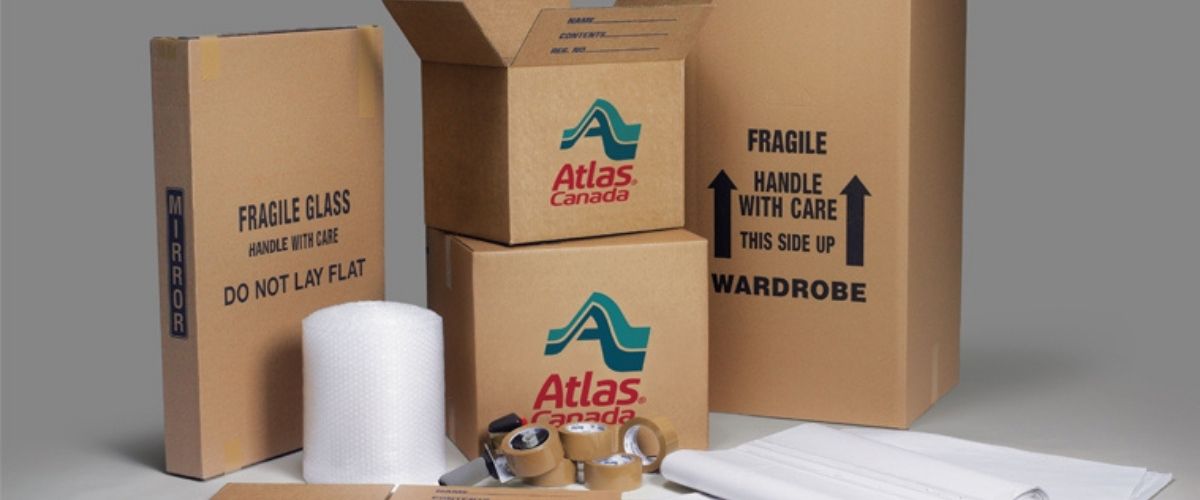
7. Make Your Boxes Work for You
You don’t need an elaborate packing system.
You do need to know what’s in each box and where it belongs.
Small decisions while packing can save a surprising amount of time at the other end.
8. Think About Your New Home Before You Leave the Old One
Where is the sectional going?
Will the dining table fit?
Can that oversized dresser actually make it up the new staircase?
If you have access to measurements or a floor plan, think about where major pieces of furniture will go before moving day.
This is especially important if you’re downsizing or moving into a home with a substantially different layout.

9. Understand Your Protection Options Before Moving Day
Don’t wait until the truck arrives to think about how your belongings are protected.
Ask your moving consultant to explain the protection options available for your shipment, what they cover and whether particularly valuable belongings need to be identified separately.
The important thing is to understand the protection you have before your belongings leave your home.
10. Look Beyond the Price When Choosing a Long-Distance Mover
A long-distance move involves much more than getting your belongings onto a truck.
You’re relying on someone to coordinate your household shipment across hundreds or thousands of kilometres and deliver it to your new home.

Before choosing a mover, ask:
- Who will be my point of contact?
- Who handles my belongings at origin and destination?
- How will delivery timing be communicated?
- What happens if my possession date changes?
- Can storage be incorporated if I need it?
- Who do I contact once my shipment is underway?
A professional mover should make those questions easy to answer.
11. Prepare Your Home for Moving Day — Not Just Your Boxes
The easiest moving days are the ones where the moving crew can get to work.
Before they arrive:
- clear hallways and walkways
- reserve elevators and loading areas where required
- arrange appropriate parking access
- keep children and pets safely away from active moving areas
- identify anything that is not being moved
- point out fragile, unusual or high-value belongings
- keep everything travelling with you in a clearly separated area
And before the moving van leaves, do one final walkthrough of your home.
Check closets. Cabinets. The garage. Basement. Storage areas. Outside spaces.
12. Plan for Arrival, Not Just Departure
It’s easy to spend weeks thinking about how you’ll leave your current home and surprisingly little time thinking about the first 24 hours in the new one.
Before delivery day, confirm access to the property and make sure essential utilities are working.
Know where your major furniture belongs.
Keep your moving records available while your shipment is being unloaded.
Then tackle the essentials first:
- Beds.
- Bathroom.
- Kitchen basics.
- Children’s necessities.
- Pet supplies.

Everything else can wait.
The Most Important Long-Distance Moving Tip?
Have a Plan That Can Handle a Change of Plans.
- Weather happens.
- Traffic happens.
- Closings change.
- Construction gets delayed.
- Life doesn’t always follow the moving-day schedule.
A well-planned long-distance move anticipates the things that can be anticipated and builds enough flexibility to deal with the things that can’t.
That’s one of the biggest advantages of working with an experienced long-distance mover.
You don’t have to know everything that could happen. Your mover should.
Want the Complete Moving Plan?
There’s a lot to remember when you’re moving. You don’t have to keep it all in your head.
The Atlas Personalized Moving Guide gives you a practical, week-by-week plan to help you prepare for your move and stay organized from the weeks before moving day through arrival at your new home.
Inside the Guide
- What to do four weeks before your move
- Three-week, two-week and one-week planning checklists
- Packing-day preparation
- Moving-out day checklist
- Moving-in day checklist
- Important records and documents to organize
- Utility and address-change reminders
- Practical packing and household preparation guidance
Your Move. Your Plan. Our Experience.
Every long-distance move is different.
A family moving across the country has different needs than someone relocating to the next province. Downsizing brings different considerations than moving a busy family with children and pets. And a move involving temporary accommodation or storage requires a different plan again.
That’s why your Atlas move begins with understanding where you’re going, what you’re moving and what matters to you along the way.
For more than 60 years, Atlas Van Lines Canada and our nationwide Trusted Agent Network have helped Canadians plan and complete long-distance moves across provinces, across the country and across the border.
Ready to Start Planning?
Request a free moving estimate and connect with an Atlas moving professional who can help you build a plan for your move. You’ll also receive the Atlas Personal Moving Guide to help you prepare.
There’s A Better Way. Choose Atlas.